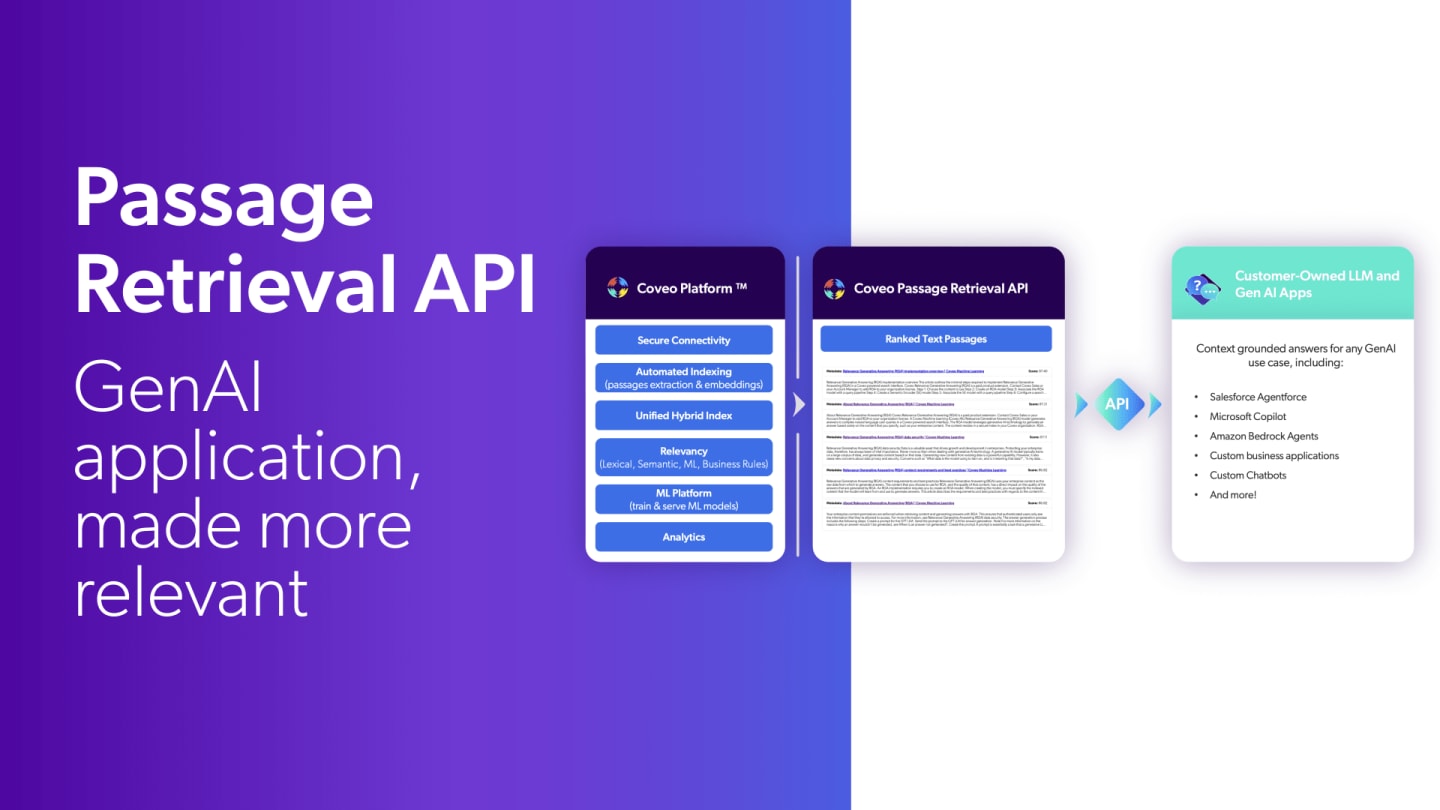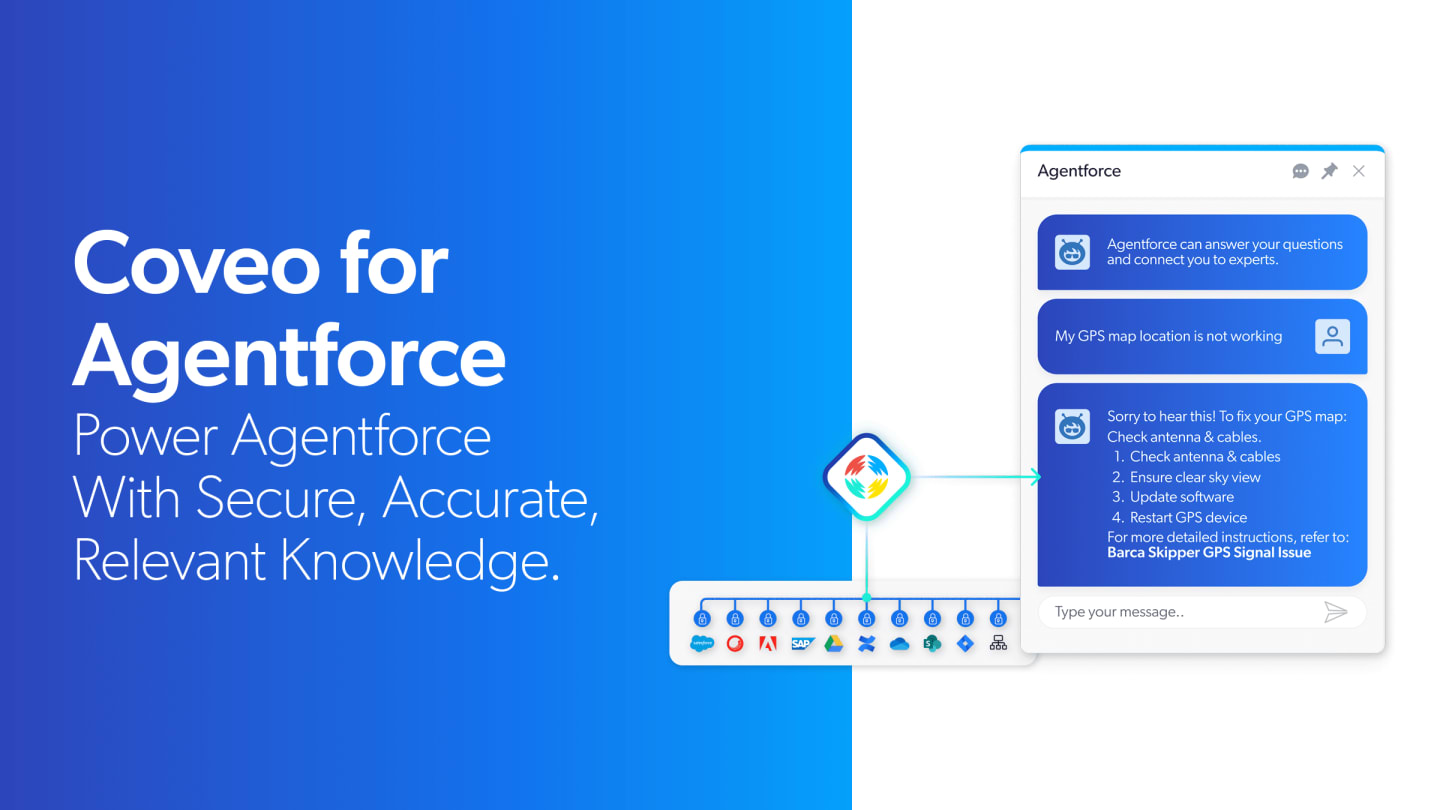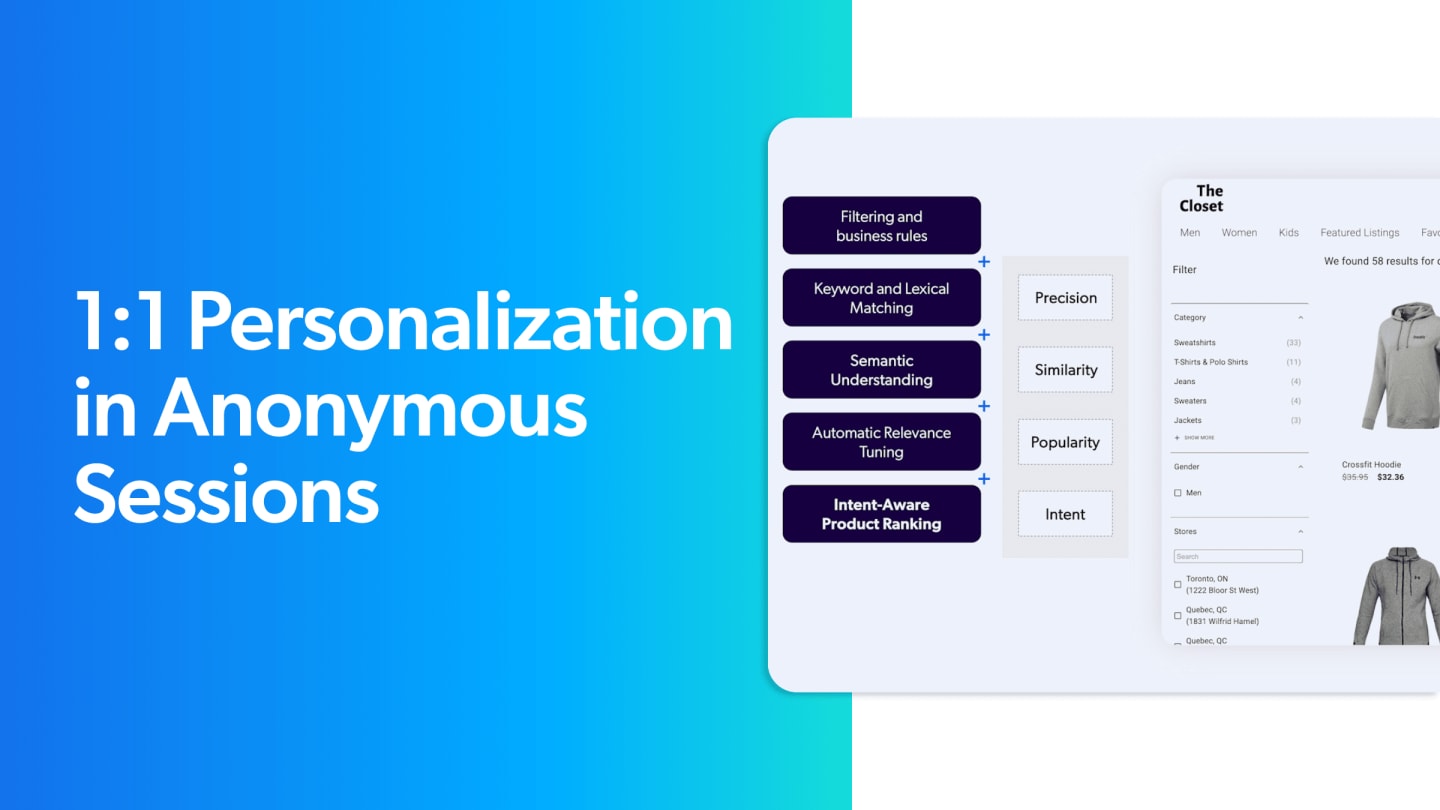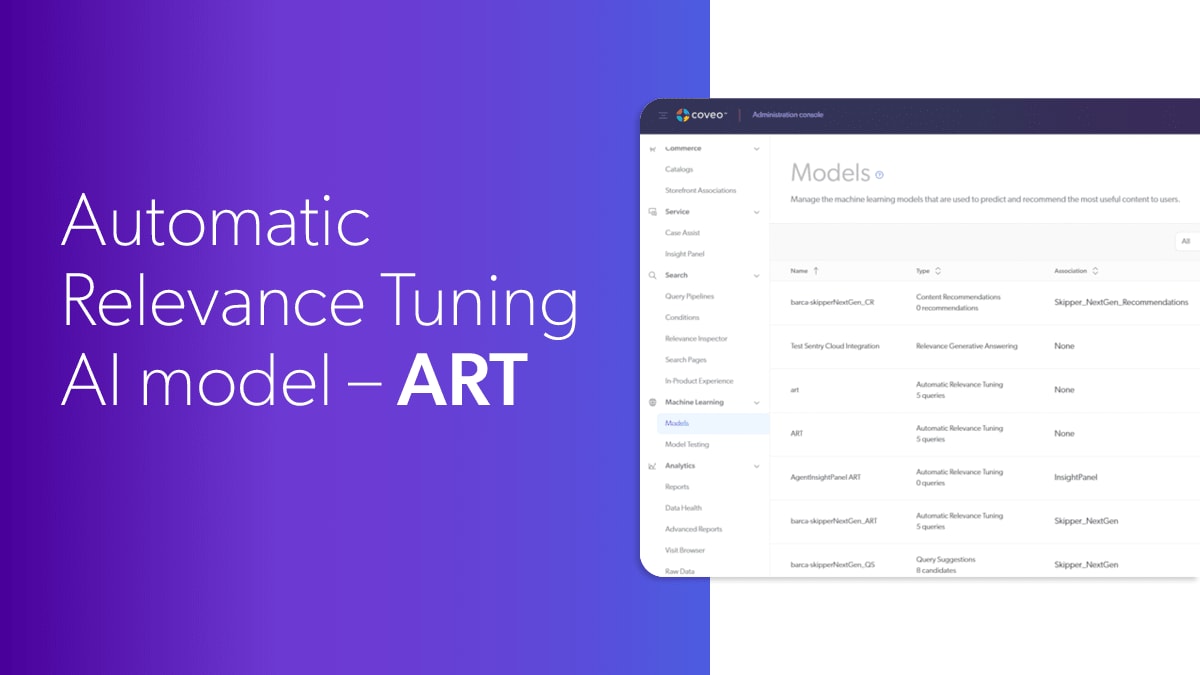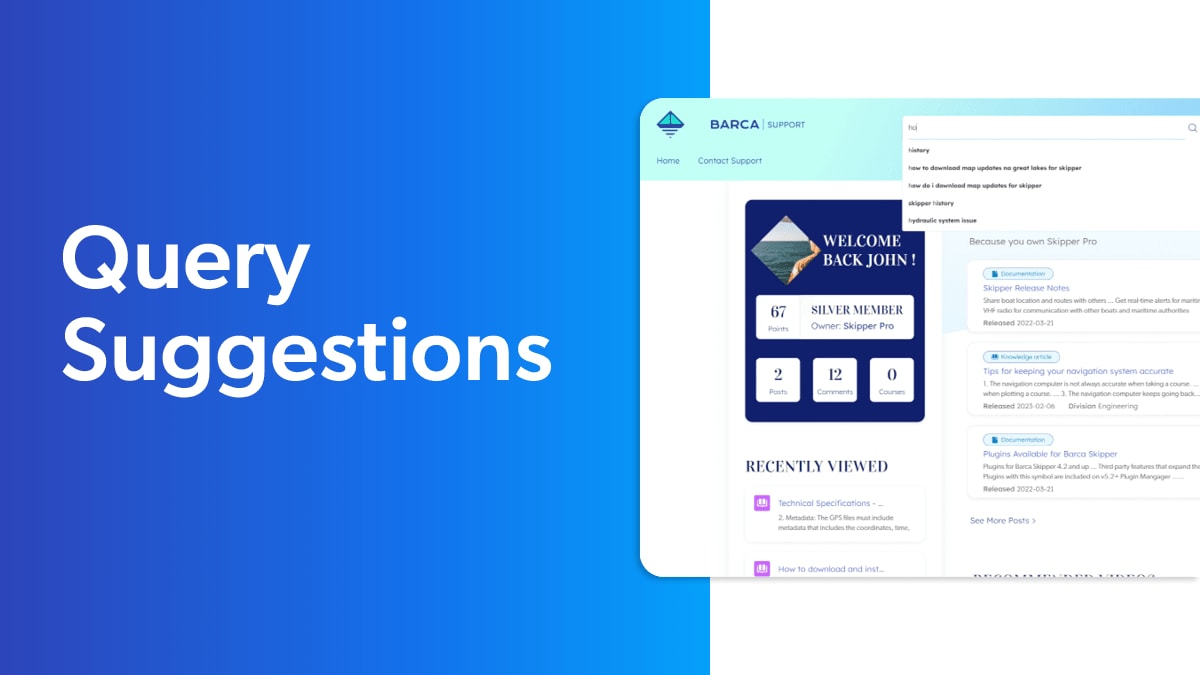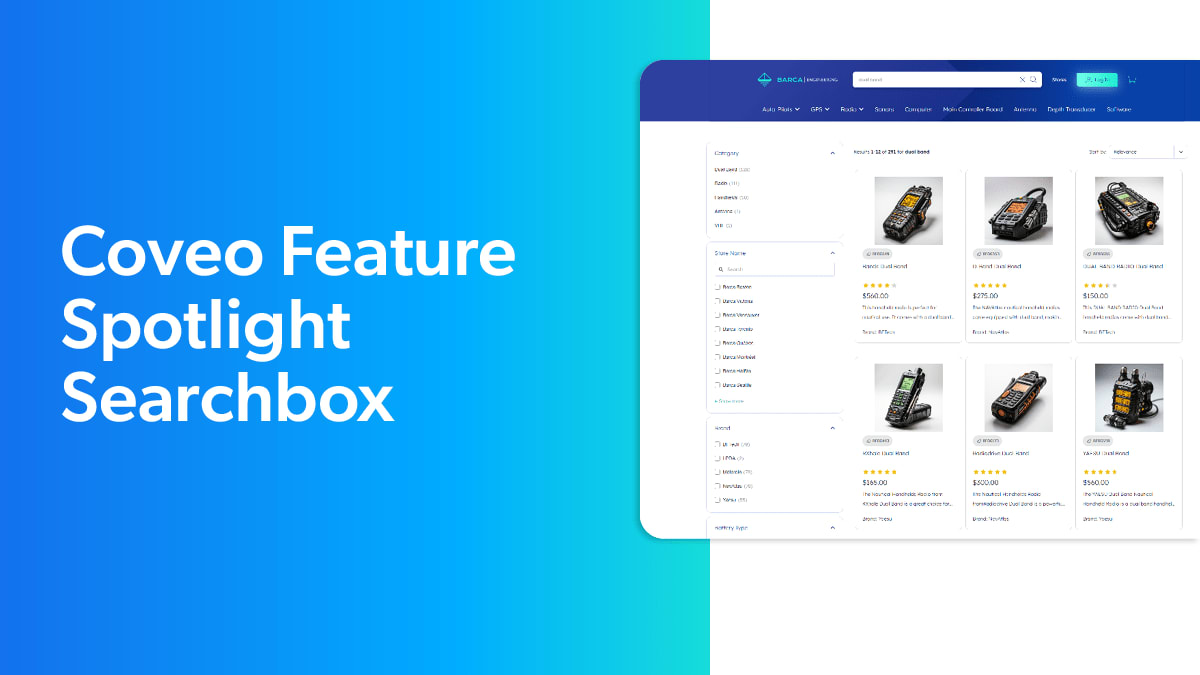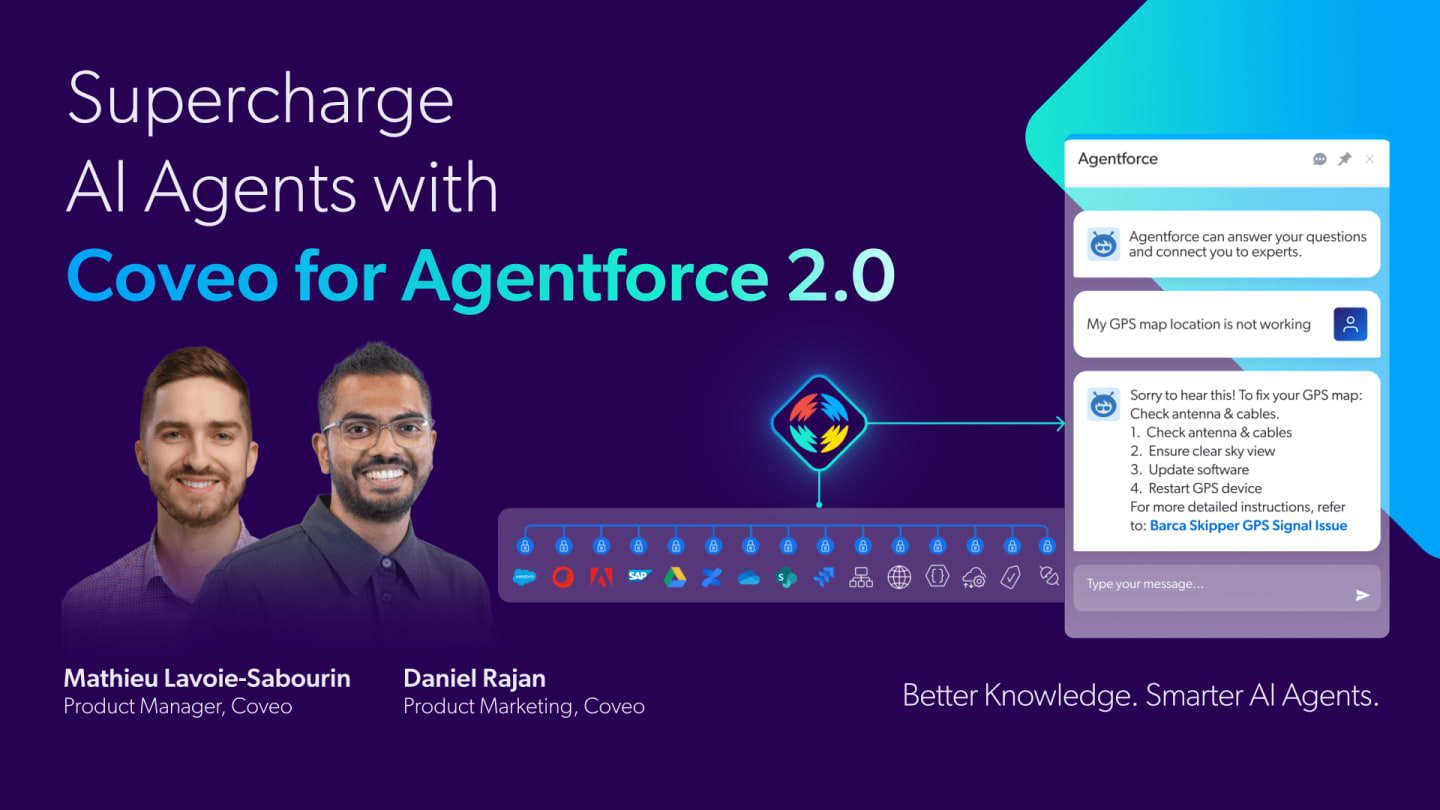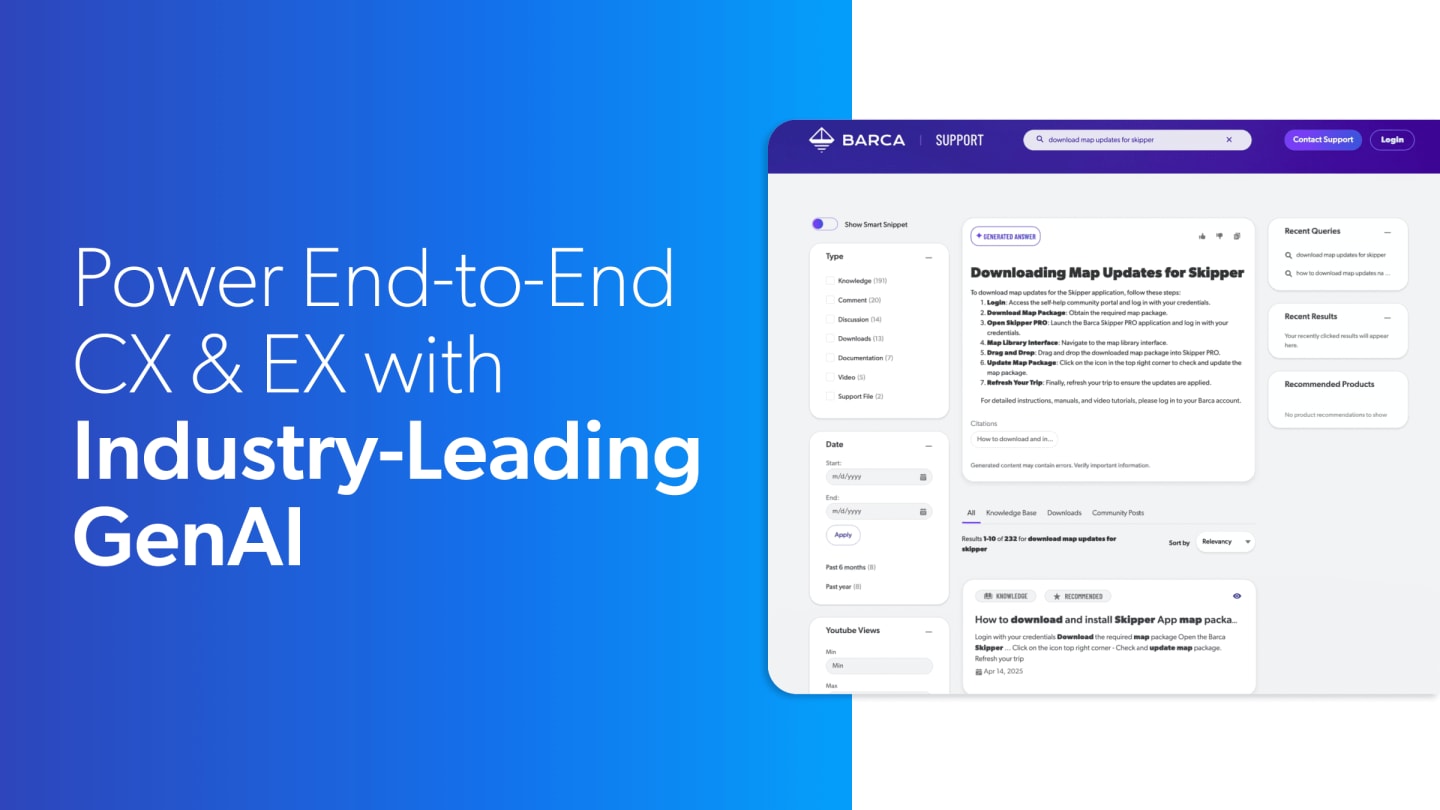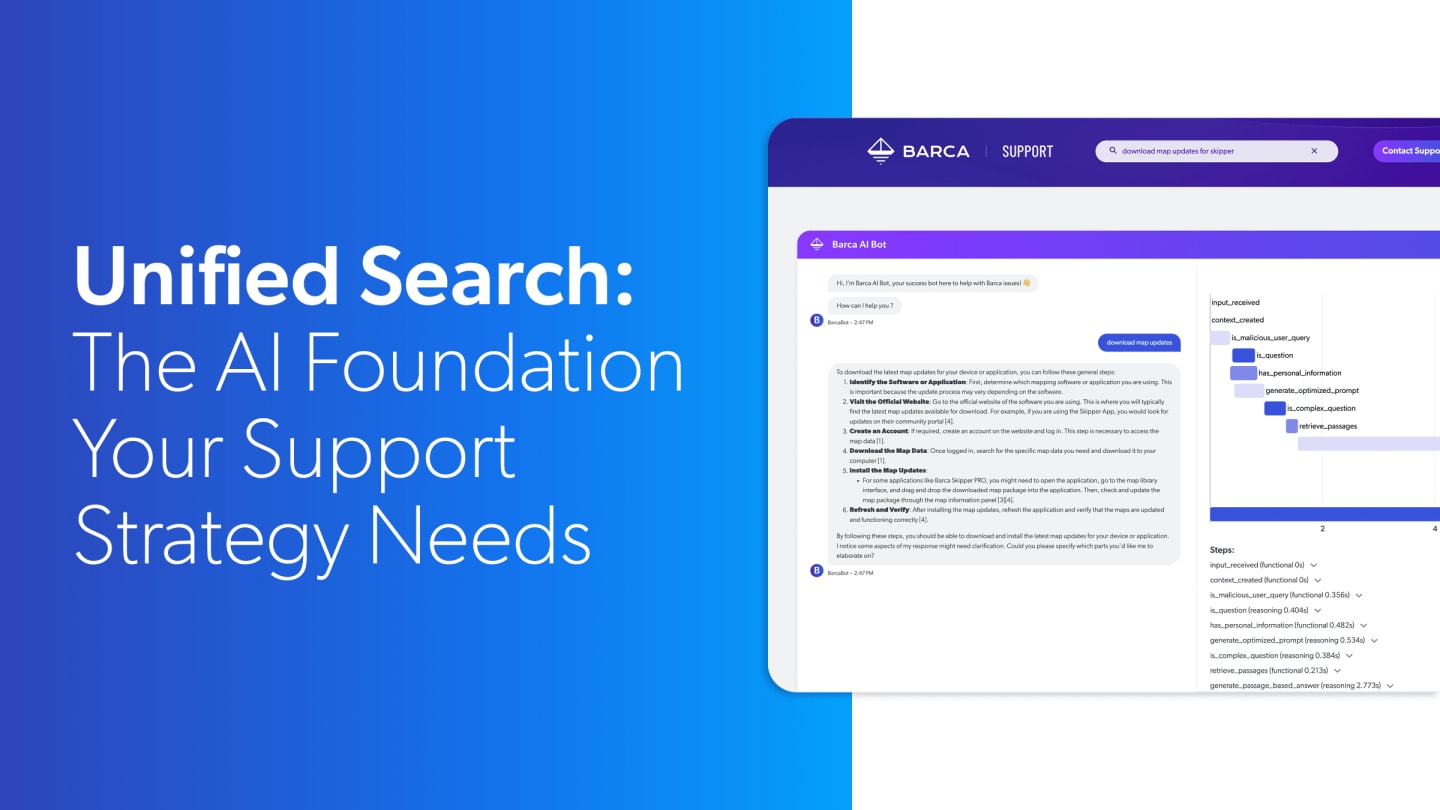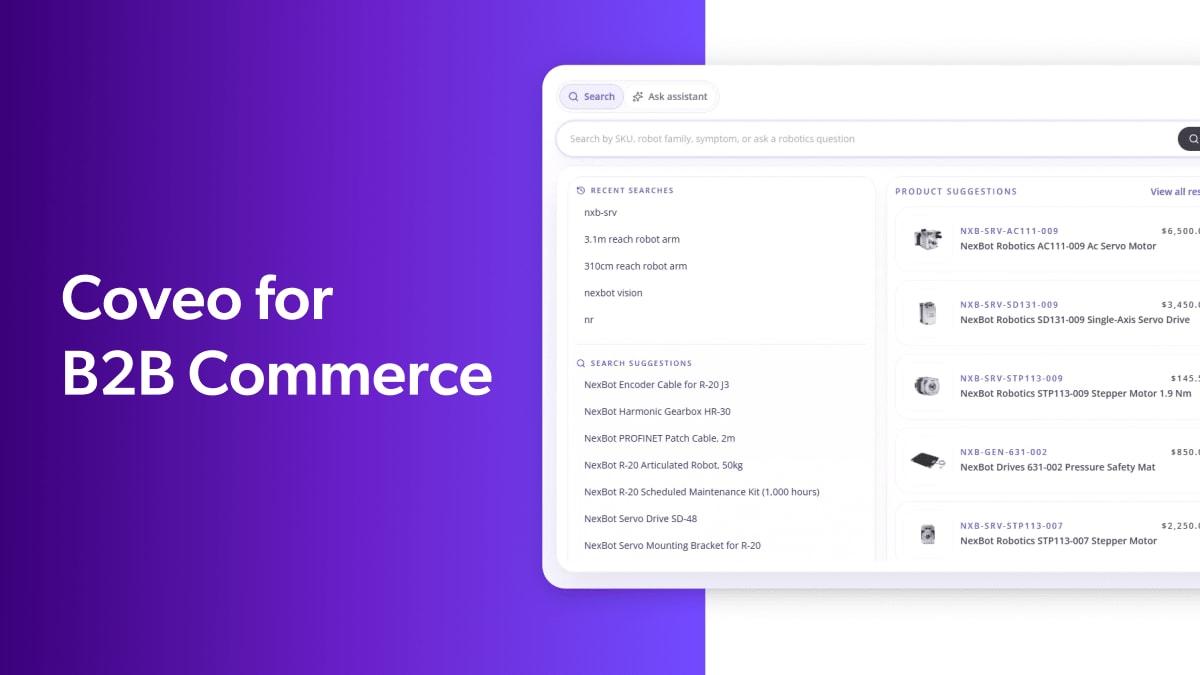
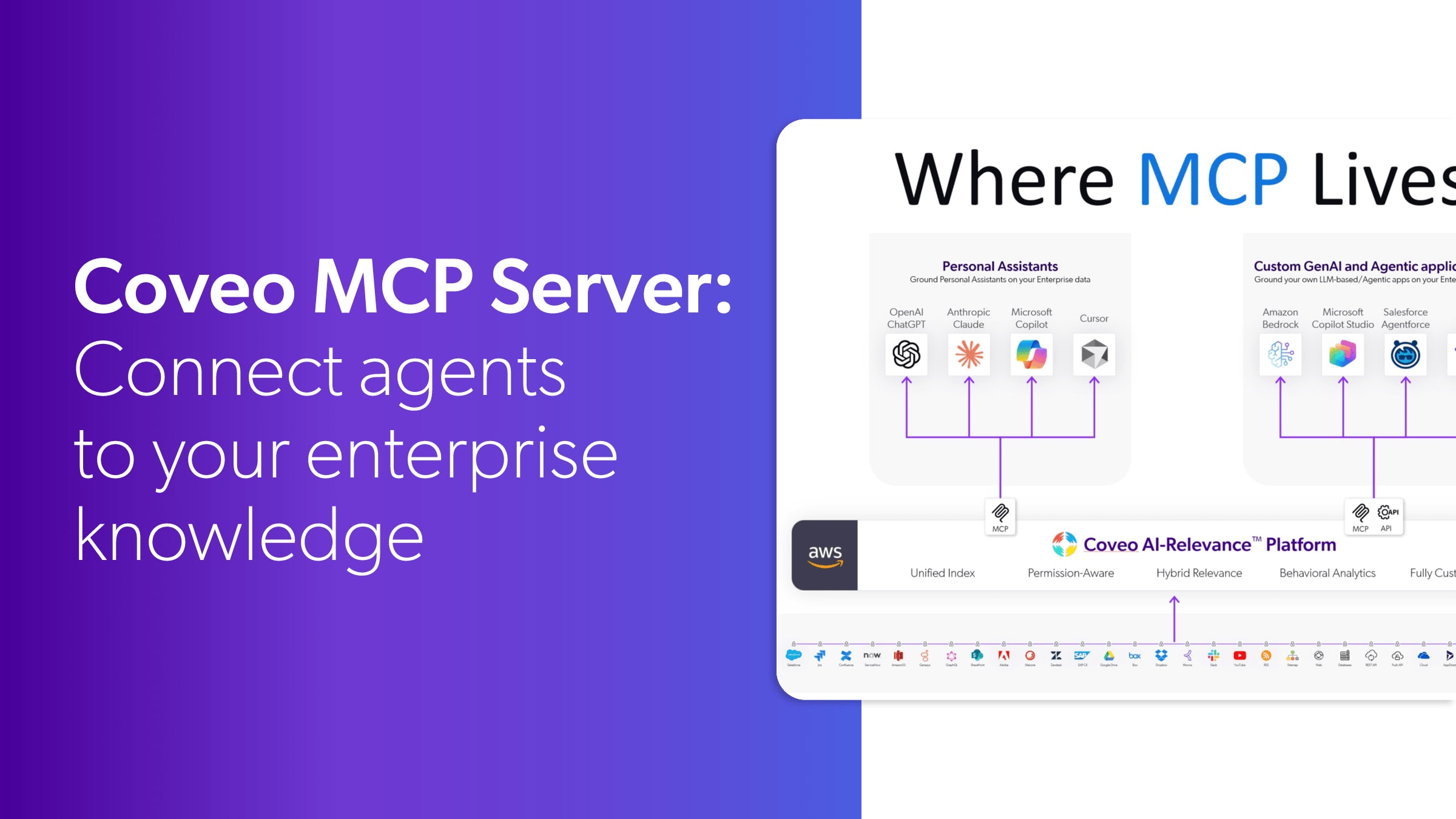

Your website is the entry point into your entire ecosystem, where prospects, customers, partners, and analysts come to research, to find answers, and to make decisions. And search is the foundation of that experience. But search is evolving. Users want answers, not just results. They expect search to understand them like ChatGPT or Google AI Overviews, these tools that they use every single day. And the reality is good enough experiences no longer cut it, and you know it. But with big promises and lookalike platforms, how do you know what to look for in a modern search solution? AI search is easy to demo. It's much harder to make relevant across sites, users, and real world business complexity. The answer lives behind the search bar in the AI models that power it. Most platforms hide their stack behind one word, AI. What's under the hood is what separates a search experience that actually works from one that just demos well. Coveo's AI models are purpose built for search and discovery. They're the result of years of real world deployments and continuous refinement. They learn from every user interaction, so relevance improves over time without your team needing to manually tune it. And they work from a unified index across all of your content, not just your CMS. So you surface the most relevant results and answers no matter where the content lives across multiple sites, languages, locations, and domains. So let's walk through Coveo's machine learning models that are transforming website experiences. A high intent visitor lands on your site. They know what they need, but they may not have the right words for it. That's where query suggestions kicks in. Model recommends the most relevant suggestions based on past successful searches across all of your users, regardless of typos, acronyms, and terminology mismatches. Visitors don't know your taxonomy, and they shouldn't have to, especially in industries like health care and financial services, where user language rarely matches the clinical term or product name. So whether they search for a pediatrician or a family doctor, they'll find what they need faster. As results come back, dynamic navigation experience adapts filters and facets to your search. Static filter structures treat every query the same. This capability identifies and prioritizes which filters actually matter for this query and generates the right facets. Then the model reorders them by what's most useful and even auto selects the obvious ones. But do you make sure every user sees the most relevant results every time? That's where automatic relevance tuning comes in. It identifies what's actually working, query reformulations, clicks, successful events, and pushes the most relevant content to the top. The model learns from successful behavior and adjust ranking automatically so your team doesn't need to spend hours manually tuning to maintain relevant results. But search isn't just about findability. You also wanna help users discover what they didn't know to look for. Content recommendations learns from clicks, views, and engagement patterns to surface relevant content users are likely to want next, increasing engagement and continuing their journey. Because it pulls from content across your entire organization, you can surface the most relevant pieces for the moment, whether that's an ebook from marketing or technical documentation from support. So far, we've covered how Coveo makes search smarter and more relevant. But the reality is search is transforming. Coveo's next models help you evolve your website experience from results to answers to conversations. Starting with Generative Answering, which can process long form, complex queries and generate responses in natural language. It retrieves the right content from across your sources, selects the most relevant passages, and passes the grounded context to the LLM to generate an accurate answer. And the answer doesn't need to live in one place. It can pull from multiple documents, extending the value of each piece. The semantic encoder helps understand the meaning behind the question. So on a financial services site, someone asking how do I plan for both short term savings and retirement will find content about IRAs, four zero one k contributions, and financial planning guides, even when the exact words don't overlap. And most importantly, every answer is grounded in your approved content and can be cited back to the source. Conversational search takes it a step further, allowing users to ask follow ups and refine their search without starting over. And because it's part of the same search experience, the conversation stays grounded in the same context, the same enterprise wide content, and the same security guardrails. It's not a separate chatbot. It's a natural extension of the journey. Now, if you're in a highly regulated industry like financial services or healthcare, you may not want every answer to be generated. Sometimes you wanna maintain the exact language as the document. For these instances, Smart Snippet surfaces the right passage word for word, cited back to the original document. So to wrap it up, the secret isn't any one of these models. It's all of them working together, learning and adapting to user behavior. Every search, every click, every conversation makes the whole experience smarter over time. And it doesn't stop at your website. The same foundation, the same models, and index can scale across your digital experiences wherever your users are. This is the result of years of enterprise investment, purpose built models proven at scale continuously getting better, Not something you bolt together or have to build and maintain yourself. A foundation you can trust to keep up with where search is heading.
AI Models Explained
In this video you will find:
- Evolving Web Search: Why modern users expect direct answers rather than basic links, similar to ChatGPT and Google AI Overviews.
- Coveo's Unified AI Stack: How purpose-built models learn from real-world behavior to deliver relevancy across multiple domains, sites, and languages.
- Key Machine Learning Capabilities:
- Query Suggestions: Fixes typos, acronyms, and intent mismatches to recommend relevant terms.
- Dynamic Navigation: Automatically prioritizes and reorders filters based on query context.
- Automatic Relevance Tuning: Learns from successful clicks to adjust rankings without manual tuning.
- Content Recommendations: Surfaces next-best content based on user engagement patterns.
- Generative & Conversational Search: How Coveo uses Generative Answering, semantic encoding, follow-up conversations, and grounded Smart Snippets to provide accurate, cited answers.


Make every experience relevant with Coveo